Last updated: August 2026
Information checked: August 2026
If you are renting a home in Busan, one of the first Korean housing terms you will encounter is jeonse vs wolse.
For foreigners, the difference can be confusing because both systems usually require a refundable deposit, but the amount you pay upfront and every month can be completely different.
The short answer is simple:
For most foreigners moving to Busan for the first time, wolse is usually the more practical choice. It requires a smaller upfront deposit and gives you more flexibility. Jeonse can reduce or eliminate monthly rent, but it requires a much larger amount of cash and more careful risk management.
This guide explains Jeonse vs Wolse in Busan in practical terms, including deposits, monthly payments, risks, contract length, and which system is better for different types of foreign residents.
Quick Answer: Jeonse vs Wolse in Busan
| Jeonse | Wolse | |
|---|---|---|
| Upfront deposit | Very high | Lower |
| Monthly rent | Usually none | Yes |
| Cash needed at move-in | High | Much lower |
| Flexibility | Lower | Higher |
| Financial risk | Higher deposit exposure | Lower deposit exposure |
| Best for | Long-term residents with capital | Students, workers, newcomers |
| Typical lease | Often 2 years | Varies by contract |
| Main concern | Getting the deposit back safely | Monthly housing cost |
Busan Metropolitan City officially describes jeonse as a system where a tenant entrusts a large lump-sum deposit to the owner instead of paying monthly rent. Wolse involves paying rent every month, usually with a smaller deposit. The city also advises tenants to use a real estate agent when leasing a home.
Table of Contents
- What Is Jeonse?
- What Is Wolse?
- Jeonse vs Wolse in Busan: Real-Life Example
- Why Wolse Is Usually Easier for Foreigners
- When Jeonse Can Make Sense
- The Biggest Risk with Jeonse
- What Changed for Foreign Renters in 2026?
- How to Sign a Safer Rental Contract in Busan
- Which System Should You Choose?
- Frequently Asked Questions
1. What Is Jeonse?
Jeonse (전세) is Korea’s distinctive lump-sum rental system.
Instead of paying rent every month, the tenant gives the landlord a large deposit at the beginning of the lease. The landlord is expected to return that deposit when the contract ends.
Busan’s official housing guide says jeonse contracts are usually made for two years.
For example, imagine an apartment with:
- Jeonse deposit: KRW 150 million
- Monthly rent: KRW 0
You live in the property without making a normal monthly rent payment, and the KRW 150 million should be returned when the lease ends.
This example is only to explain how the system works. Actual deposits vary dramatically according to neighborhood, property type, size, condition, and market price.
The main benefit is obvious: your monthly housing expense can be very low.
The problem is equally obvious: you need a very large amount of money upfront.
2. What Is Wolse?
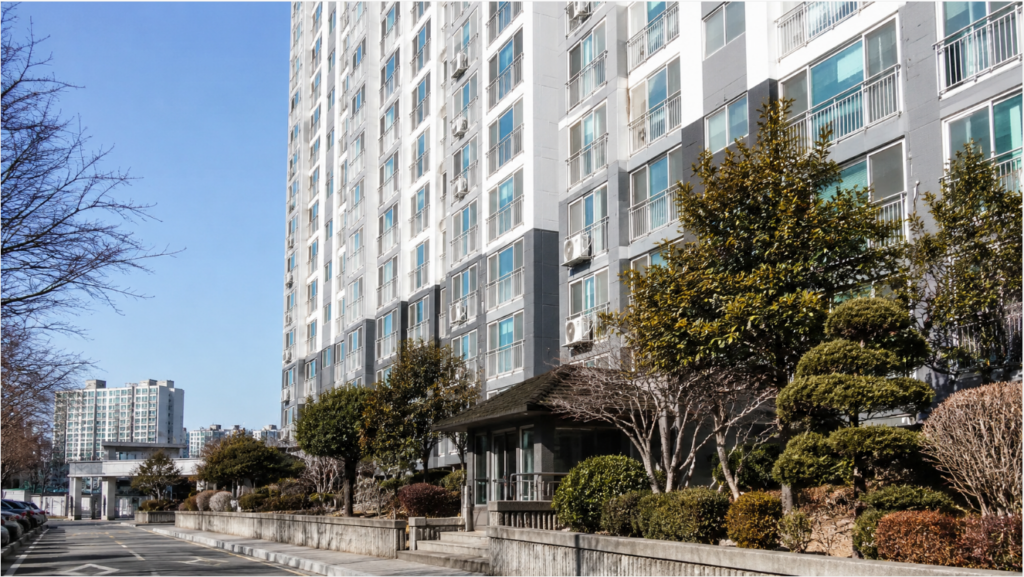
Wolse (월세) literally means monthly rent.
It is more similar to rental systems foreigners are familiar with, but there is one major difference: Korean landlords commonly ask for a substantial refundable deposit in addition to monthly rent.
A hypothetical contract might look like this:
- Deposit: KRW 10 million
- Monthly rent: KRW 600,000
You pay the deposit when you move in and then pay KRW 600,000 every month.
At the end of the contract, the deposit should be returned as long as there are no unpaid obligations or other issues under the lease.
For many foreign residents, this structure is easier because it does not lock a huge amount of cash into housing.
https://www.busan.go.kr/eng/bshouse04?utm_source=chatgpt.com
3. Jeonse vs Wolse in Busan: A Simple Real-Life Comparison
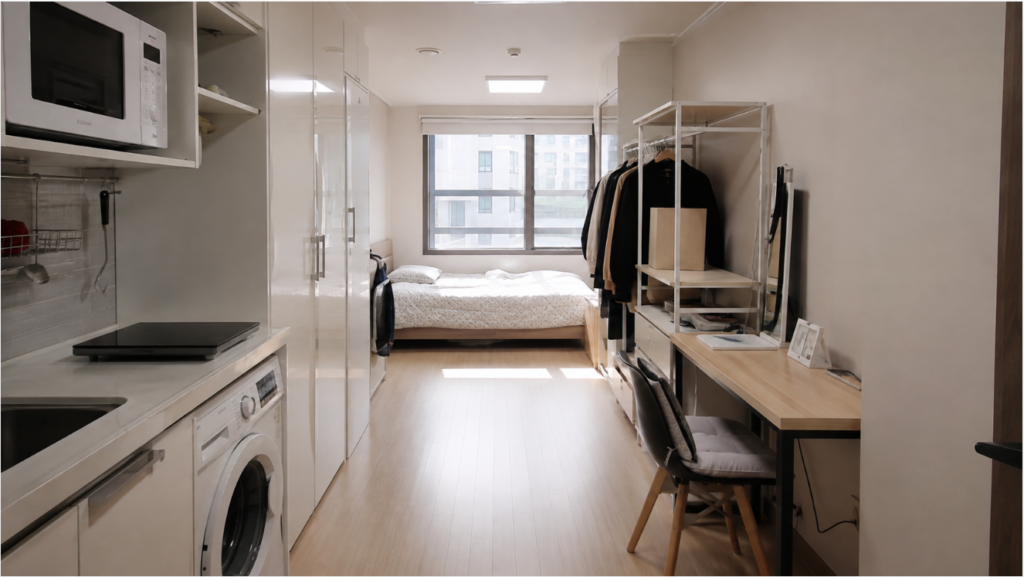
To understand Jeonse vs Wolse in Busan, imagine two similar homes.
Option A: Jeonse
- Deposit: KRW 150 million
- Monthly rent: KRW 0
Option B: Wolse
- Deposit: KRW 10 million
- Monthly rent: KRW 600,000
Under Option B, one year of rent would total KRW 7.2 million, excluding management fees and utilities.
The question is therefore not simply:
“Which apartment is cheaper?”
The better question is:
“How much cash can I safely lock into a Korean rental deposit?”
A person with KRW 150 million available may prefer reducing monthly expenses.
Someone arriving in Korea with limited savings may be better off keeping cash available for living expenses, emergencies, tuition, travel, or relocation.
That is why the right answer depends heavily on your financial situation and expected length of stay.
https://www.busan.go.kr/eng/bshouse03?utm_source=chatgpt.com
4. Why Wolse Is Usually Easier for Foreigners in Busan

For most new foreign residents, wolse is the easier starting point.
You need less money upfront
This is the biggest advantage.
Instead of putting a very large percentage of your savings into one rental contract, you can maintain more liquidity.
This matters especially when you are new to Korea and may still need money for:
- furniture
- mobile service
- transportation
- health insurance
- visa-related expenses
- tuition
- emergency travel
- moving costs
It is easier to understand
The basic structure is familiar:
deposit + monthly rent.
There are still Korean-specific contract rules, but financially it is easier for newcomers to evaluate.
Your financial exposure is smaller
If a problem occurs with the landlord or property, the amount of deposit at risk is generally lower than under a large jeonse contract.
It suits shorter stays better
International students, language students, overseas employees, and foreigners who are uncertain how long they will remain in Busan generally benefit from flexibility.
For these reasons, Jeonse vs Wolse in Busan is often less about finding the cheapest option and more about controlling financial risk.
5. When Jeonse Can Make Sense for a Foreigner
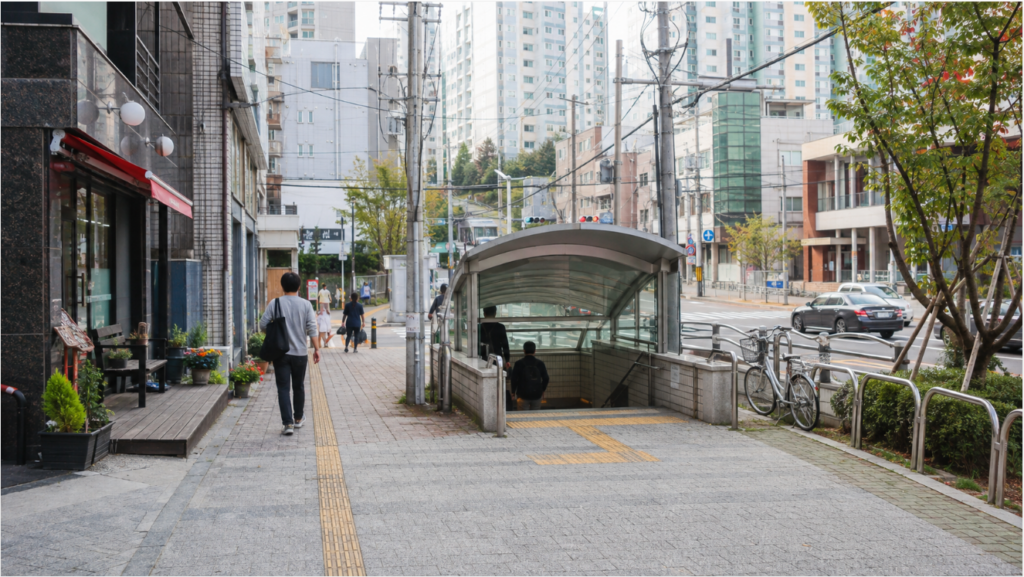
Jeonse is not a bad system. For the right renter, it can be financially attractive.
It may make sense if you:
- plan to stay in Korea for several years
- have substantial savings
- understand Korean rental contracts
- have carefully checked the property
- can protect the deposit appropriately
- prefer predictable monthly expenses
- have access to professional or Korean-language assistance
For someone planning to live in Busan long term, not paying hundreds of thousands of won every month can be attractive.
However, the deposit should never be treated like a simple bank deposit.
It is money entrusted to a landlord under a housing contract, which is why checking the property and understanding deposit protection is critical.
6. The Biggest Risk with Jeonse: Getting Your Deposit Back
This is the issue foreign renters should take most seriously.
A jeonse deposit can represent years of savings.
If a landlord cannot return it at the end of the lease, the financial consequences can be significant.
Korea Housing & Urban Guarantee Corporation, commonly known as HUG, operates a guarantee product designed to cover the return of eligible jeonse deposits if a landlord fails to repay the tenant after the lease ends. Eligibility and conditions apply, so tenants should check the current requirements before signing a contract.
Do not assume:
“The landlord owns the apartment, so my deposit must be safe.”
Before signing a large-deposit contract, you need to understand:
- who legally owns the property
- existing mortgages and rights on the property
- whether other tenants have priority claims
- whether your deposit is proportionate to the home’s value
- whether the property and tenant qualify for deposit protection
- what steps are required to establish your legal rights as a tenant
Korea’s Ministry of Justice standard housing contract specifically includes guidance designed to help tenants check risks before signing and protect rental deposits.
7. Important 2026 Update for Foreign Renters in Korea
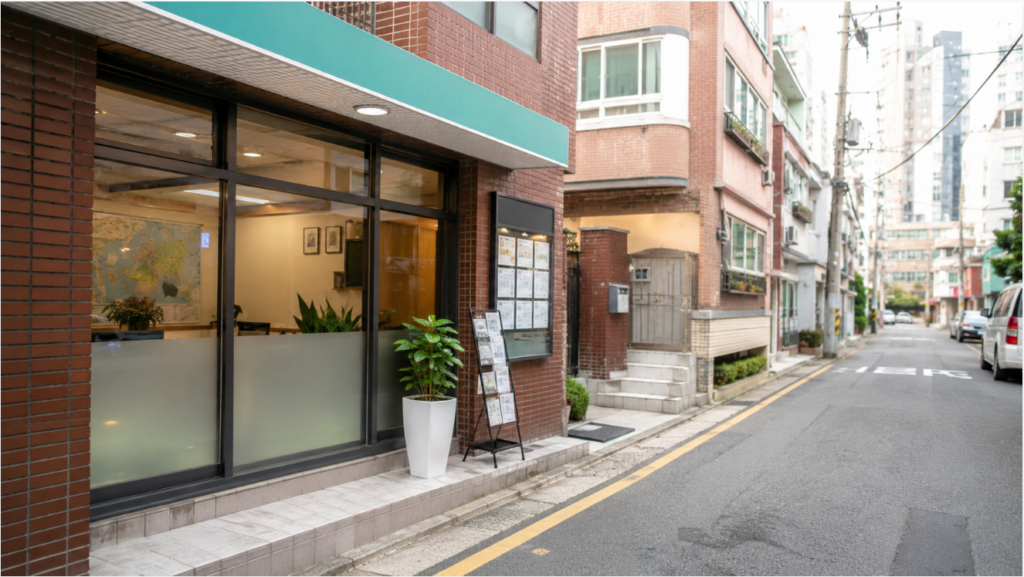
There is a particularly useful change for foreign renters this year.
In March 2026, Korea’s Ministry of Justice released translated versions of the Standard Housing Lease Agreement in:
- English
- Chinese
- Vietnamese
The goal is to help foreign residents who are not fluent in Korean understand housing contracts more clearly.
This is worth using even if your real estate agent speaks English.
Ask to compare the Korean contract you are signing with the official translated standard contract.
Also in March 2026, the Korean government announced additional measures aimed at preventing jeonse fraud, including easier access to pre-contract risk information and stronger responsibilities for real estate agents to explain risks. Some measures involve legal or administrative changes, so renters should confirm which provisions are in force at the time they sign.
For GEO and practical purposes, this is important:
Do not rely on an old blog post from 2022 or 2023 when signing a large jeonse contract in 2026.
Rental protection rules continue to change.
https://www.moj.go.kr/moj/314/subview.do?utm_source=chatgpt.com
8. How to Sign a Safer Rental Contract in Busan
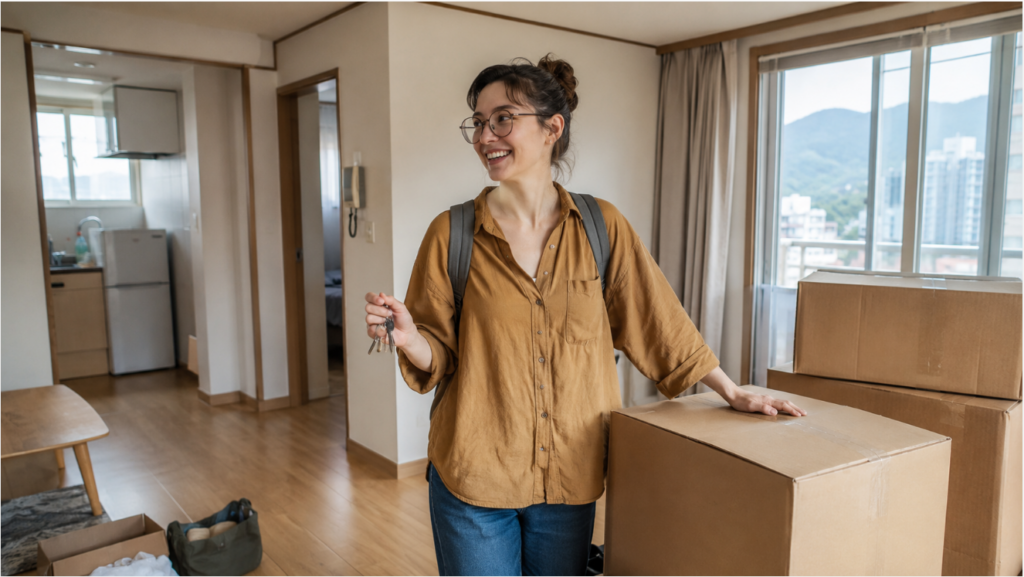
Whether you choose jeonse or wolse, use the same basic precautions.
1. Use a licensed real estate agent
In Korea, real estate agencies are commonly called budongsan (부동산) or gongin junggaesa samuso (공인중개사사무소).
Busan Metropolitan City maintains a list of designated real estate agencies that can provide services to foreigners in English, Japanese, or Chinese.
This is particularly useful if you are signing your first Korean rental contract.
2. Confirm the actual owner
The person receiving your deposit should match the legal ownership information, unless a properly authorized representative is involved.
Do not transfer a large deposit simply because someone says they manage the property.
3. Check the property before paying
Look beyond the furniture and interior design.
Check:
- water pressure
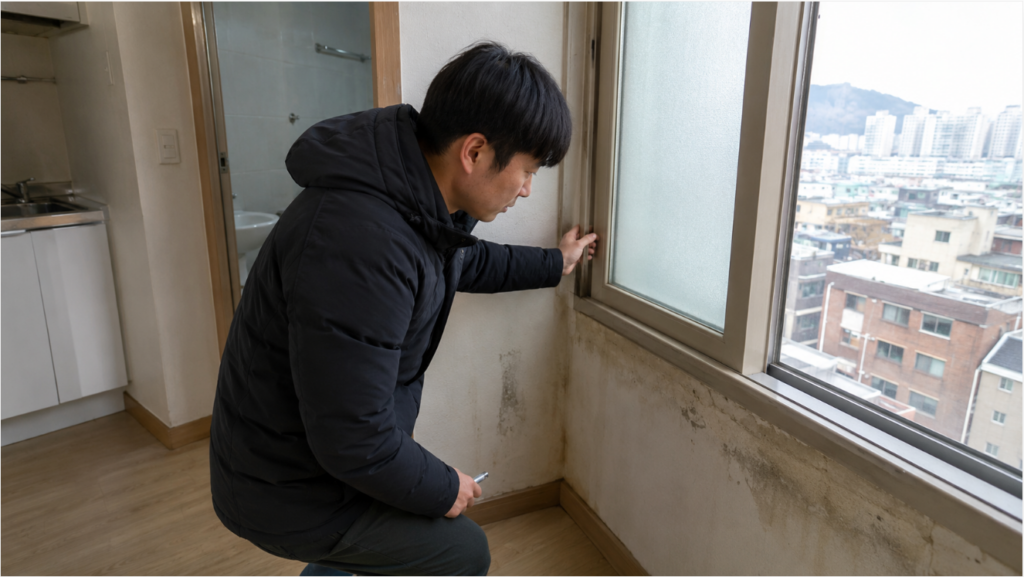
- mold
- window insulation
- heating
- air conditioning
- drainage
- appliances
- management fees
- parking
- noise
- distance from the subway
Busan is humid, especially near the coast, so mold and ventilation deserve extra attention.
4. Understand every amount in the contract
Confirm separately:
- contract deposit
- full security deposit
- monthly rent
- management fee
- utilities
- real estate agency fee
- payment dates
Never assume that monthly rent is your complete monthly housing expense.
5. Keep records
Keep copies of:
- signed contract
- payment receipts
- bank-transfer records
- property condition photos
- landlord and agency contact details
For a large deposit, documentation matters.
9. Jeonse vs Wolse in Busan: Which Should You Choose?
Here is the simplest decision guide.
Choose Wolse if you are:
- new to Korea
- an international student
- staying for one or two years
- uncertain about your long-term plans
- uncomfortable locking up a large amount of cash
- looking for a one-room or officetel
- prioritizing flexibility
Consider Jeonse if you are:
- planning a long stay
- financially stable
- comfortable with Korean housing contracts
- able to verify the property carefully
- eligible for appropriate deposit protection
- trying to minimize monthly cash outflow
For most foreigners arriving in Busan for the first time, I would start by looking at wolse properties.
You can learn how Busan’s housing market works, understand neighborhoods, and become familiar with Korean contracts without putting a huge portion of your assets into your first home.
Later, if you decide to remain in Korea long term, jeonse may become worth considering.
A Local Tip: Do Not Choose the Contract Before Choosing the Area
One mistake is deciding:
“I want jeonse.”
or
“I only want wolse.”
before deciding where you actually need to live.
Busan is geographically spread out. A cheaper home with the wrong commute can make your daily life considerably harder.
Choose your neighborhood first based on:
- workplace or university
- subway access
- lifestyle
- budget
- expected length of stay
Then compare available jeonse and wolse properties.
If you have not chosen an area yet, read our guide to the Best Areas to Live in Busan in 2026 before contacting a real estate agent.
Frequently Asked Questions
Is jeonse available to foreigners in Korea?
Foreign residents can enter rental agreements, but the practical availability of a particular property, financing, guarantees, and documentation can depend on visa status, residency status, the property, and the landlord.
Do not assume that financial products available to Korean citizens are automatically available under the same conditions to every foreign resident.
Is wolse better than jeonse for foreigners?
For many newcomers, yes.
Wolse usually requires less upfront capital and reduces the amount of money exposed in a rental deposit. Jeonse may be attractive for long-term residents with sufficient capital who can manage the additional contract and deposit risks.
Do I get my wolse deposit back?
A wolse deposit is generally refundable at the end of the lease, subject to the contract and any unpaid obligations or damages.
Always document the condition of the home at move-in.
How long is a jeonse contract?
Busan Metropolitan City’s English housing guide says jeonse contracts are usually made for two years.
Always check the actual term written in your individual lease.
Can I find an English-speaking real estate agent in Busan?
Yes.
Busan Metropolitan City publishes a list of designated global real estate agencies that can assist foreign residents in English and other languages.
Is jeonse deposit insurance available?
HUG operates a guarantee for eligible jeonse deposits if a landlord fails to return the deposit after the lease ends. Eligibility, property requirements, application rules, and limits should be checked directly with HUG before signing.
Final Thoughts
Understanding Jeonse vs Wolse in Busan is one of the most important parts of renting a home as a foreigner in Korea.
Jeonse can reduce your monthly expenses, but it requires a large deposit and careful financial protection.
Wolse costs more every month, but it usually offers a lower barrier to entry and greater flexibility.
For a foreigner moving to Busan for the first time, wolse is usually the simpler place to start.
Once you understand the Korean housing system, know which neighborhood suits your life, and decide to remain in Korea long term, you can evaluate whether jeonse offers enough financial benefit to justify the larger deposit.
The cheapest contract is not always the safest or most practical contract.
Choose the one that protects both your money and your ability to move when your plans change.
https://easykorealife.com/wp-admin
About the Author