Cost of Living in Busan 2026: A realistic guide for foreigners

If you are searching for Cost of living in Busan 2026, you are probably considering more than just prices.
You want to know whether Busan is a city where you can actually live comfortably, not just survive.
Busan is Korea’s second-largest city, but daily life here feels very different from Seoul.
Rent is generally lower, commuting is easier, and many everyday activities—like walking by the beach or hiking—do not cost anything.
As a local living in Busan, I often meet foreigners who are confused by online information.
Many articles list average prices, but they do not explain how life really works once you move here.
This guide is written for foreigners who are planning to:
- live in Busan long-term
- work or study in Korea
- understand real monthly expenses, not tourist budgets
In this article, I will break down the Cost of living in Busan 2026 step by step, using real-life examples and local context.
From housing and utilities to food, transportation, healthcare, and lifestyle costs, this guide focuses on what you will actually pay—and what you can realistically expect.
If you are looking for a clear, practical explanation of living costs in Busan, this guide will help you plan with confidence.
1. Housing costs in Busan (Rent & deposit explained simply)
When people search for Cost of living in Busan 2026, the first thing they usually worry about is housing.
Busan is still more affordable than Seoul, but the system can feel confusing if you are new to Korea.
In Busan, most rentals work with two numbers:
- a deposit (key money) paid upfront
- a monthly rent
Example 1: Living alone (one-room / officetel)
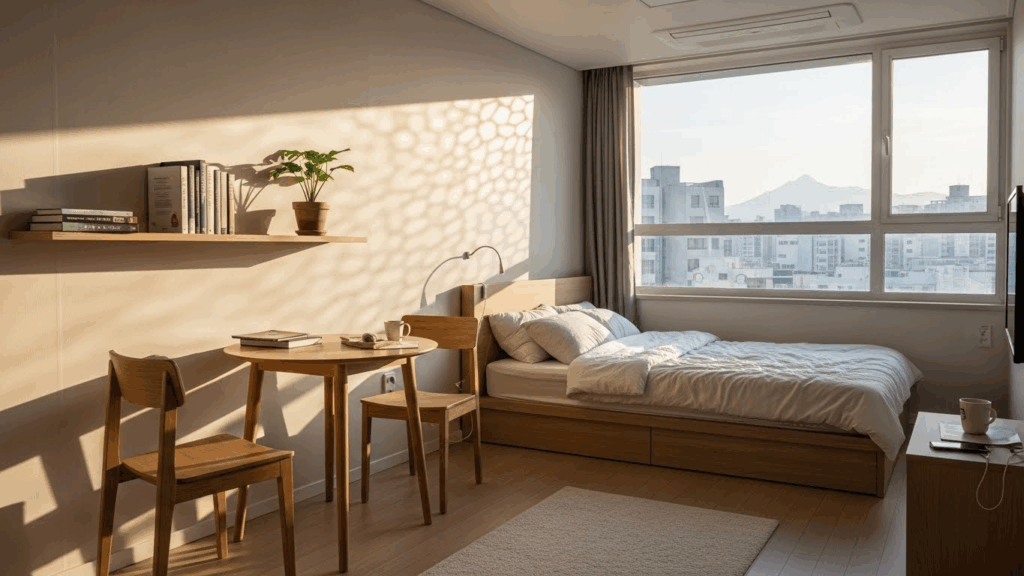
If you are a single foreigner living alone, a typical option is a one-room or officetel.
- Deposit: 5–20 million KRW
- Monthly rent: 400,000–700,000 KRW
For example, if you find a one-room near a subway station in Busanjin-gu:
- You might pay 10 million KRW deposit
- and 550,000 KRW per month
The deposit is refundable when you move out, as long as there is no damage.
Example 2: One-bedroom or small apartment
If you want more space or live as a couple:
- Deposit: 20–50 million KRW
- Monthly rent: 700,000–1,200,000 KRW
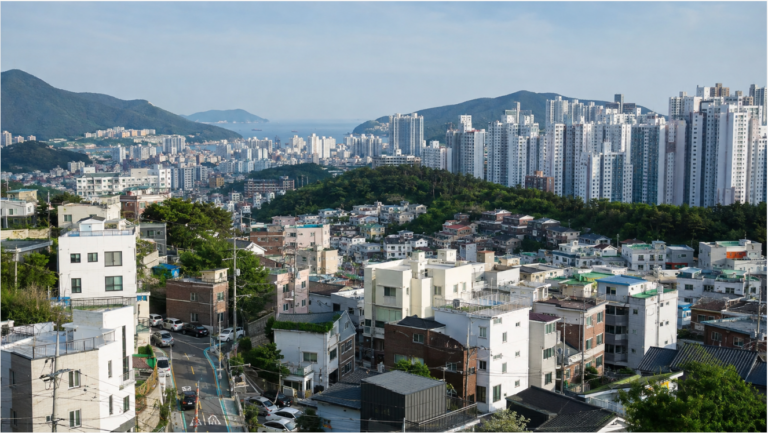
Sea-facing areas like Haeundae or Gwangalli are more expensive.
If you move just 2–3 subway stops inland, the price often drops noticeably.
Local tip foreigners should know
In Busan, cheap rent often means an older building.
Because Busan is a coastal city:
- winter wind can feel colder than expected
- humidity can cause mold in poorly maintained homes
When checking a house, always look at:
- heating system (boiler)
- window insulation
- signs of humidity or mold
This is something many foreigners overlook when calculating the Cost of living in Busan 2026.
2. Utilities in Busan (What you actually pay every month)
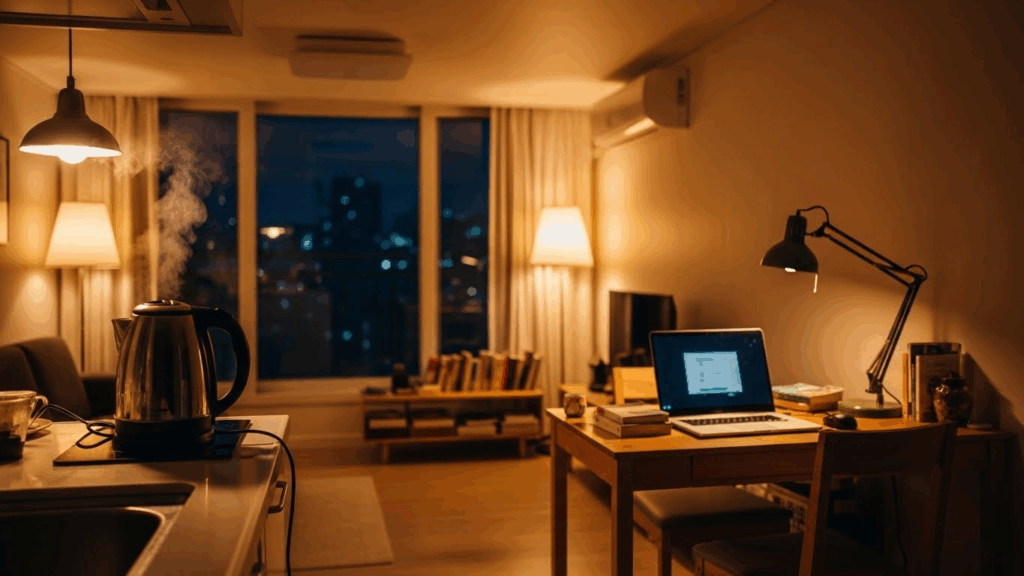
Utilities are not expensive in Busan, but the cost changes a lot depending on season and lifestyle.
Typical monthly utility costs (1 person)
- Electricity, gas, water: 80,000–150,000 KRW
- Internet + mobile phone: 50,000–80,000 KRW
So in most months, utilities total around 130,000–230,000 KRW.
Real-life example
Let’s say you work from home and live alone:
- Summer: electricity goes up because of air conditioning
- Winter: gas cost increases due to floor heating (ondol)
In January or August, utilities might reach 150,000 KRW or more.
In spring and fall, it can drop below 100,000 KRW.
Internet & phone (important for foreigners)
Korea has fast and reliable internet.
Most foreigners choose a combined plan:
- home internet
- mobile phone with data
This usually costs 60,000–70,000 KRW per month.
Local tip foreigners appreciate later
Busan winters are not extremely cold, but:
- strong sea wind
- high humidity
This means you may use heating more than expected.
When planning the Cost of living in Busan 2026, it’s smart to budget for seasonal utility spikes rather than a flat monthly average.
3. Food costs in Busan (Eating like a local, not a tourist)
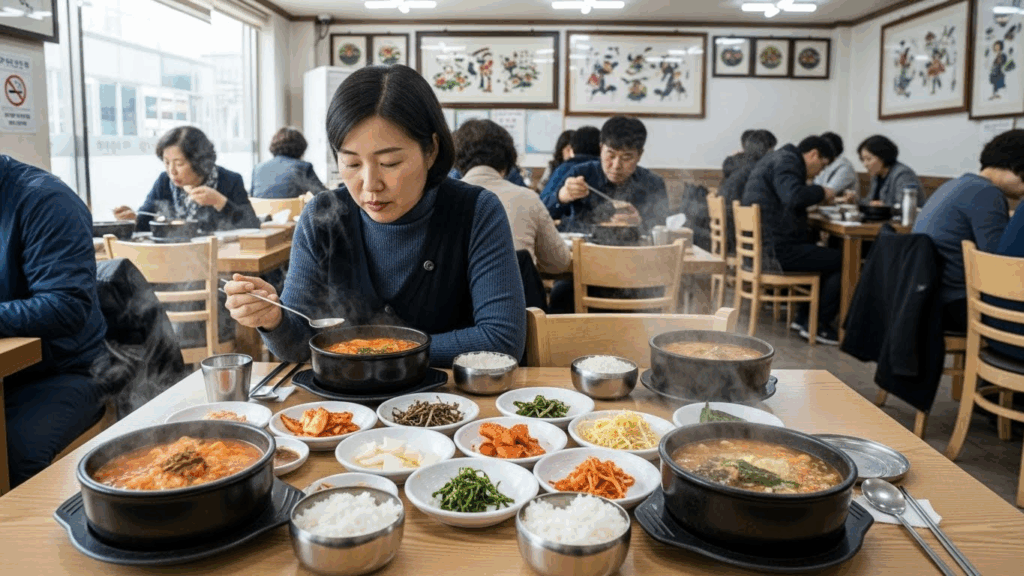
When calculating the Cost of living in Busan 2026, food is one of the biggest daily factors.
The good news is that Busan is still very reasonable if you eat like locals do.
Eating out (daily meals)
In Busan, eating out is normal and affordable.
- Simple local meals (gimbap, soup, rice dishes): 7,000–9,000 KRW
- Regular restaurant meal: 9,000–12,000 KRW
- Coffee at a café: 4,500–6,000 KRW
A typical weekday lunch for office workers is around 9,000–10,000 KRW.
Real-life example
If you work near a subway station:
- Lunch at a local restaurant: 9,000 KRW
- Coffee after lunch: 5,000 KRW
That means a full lunch break costs about 14,000 KRW, which is still cheaper than Seoul.
Busan is famous for generous portions.
Dishes like pork soup (dwaeji-gukbap), noodle soups, and set meals are filling enough that many people skip dinner or eat lightly.
Groceries (per month)
For one person:
- 300,000–450,000 KRW per month
If you cook at home regularly and use traditional markets, you can stay on the lower end.
Local tip foreigners quickly learn
Traditional markets in Busan are a big advantage:
- fresh seafood
- vegetables at lower prices
- friendly vendors who remember you
If you only shop at large supermarkets, your food cost will feel similar to Seoul.
If you mix markets + simple home cooking, the Cost of living in Busan 2026 becomes noticeably lighter.
4. Transportation costs (Living without a car is possible)
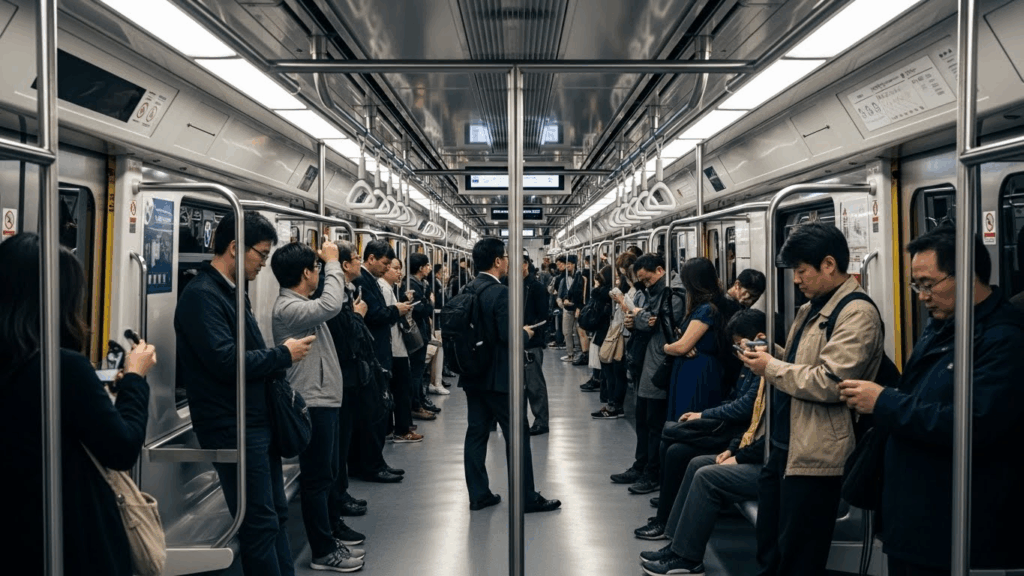
Transportation is one of Busan’s strongest points for foreigners.
You can live comfortably without owning a car, especially if you live near a subway line.
Public transportation costs
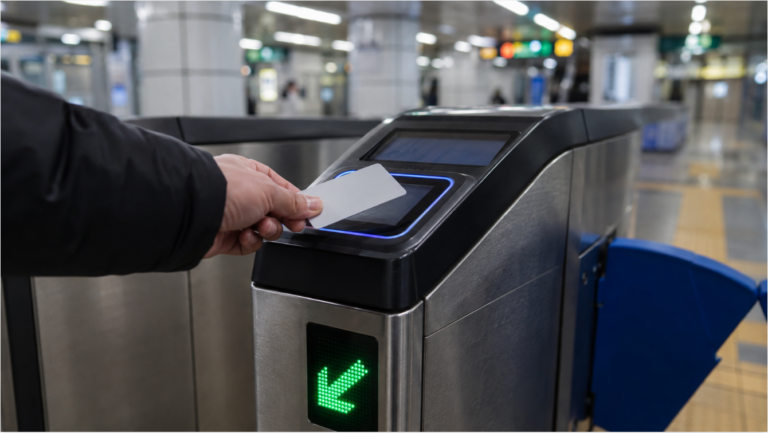
- Bus or subway (one ride): 1,500–1,700 KRW
- Monthly transportation (commuting): 60,000–80,000 KRW
Buses and subways are clean, frequent, and easy to use with a transportation card.
Real-life commuting example
If you commute five days a week:
- Subway + bus, twice a day
- Monthly total: around 70,000 KRW
This is a stable and predictable cost when planning the Cost of living in Busan 2026.
Living area matters
Busan is long and spread out along the coast, but:
- Subway Line 1 and Line 2 cover most daily needs
- Buses fill in the gaps efficiently
If you choose housing near:
- a subway station
- or a major bus route
Your transportation cost stays low and your daily life becomes much easier.
Local tip for foreigners
Traffic in Busan can be heavy, especially near beaches and bridges.
Many locals actually prefer public transportation for daily life.
Unless you have children or live far outside the city center,
owning a car is not necessary to enjoy Busan.
5. Health insurance & medical costs in Busan
Healthcare is an important part of the Cost of living in Busan 2026, especially for foreigners planning to stay long-term.
National Health Insurance (mandatory)
If you stay in Korea for more than six months, you are required to join Korean National Health Insurance.
- Monthly cost: 120,000–160,000 KRW
(depends on visa type and income level)
This is a fixed monthly cost that many foreigners don’t expect at first, but it significantly lowers medical expenses.
Medical costs with insurance
Once enrolled, visiting a clinic is affordable:
- General clinic visit: 10,000–20,000 KRW
- Medication (after visit): usually 5,000–10,000 KRW
Even specialist visits are reasonably priced compared to many Western countries.
Real-life example
If you catch a cold:
- Doctor visit: about 15,000 KRW
- Medicine for 3–4 days: 6,000 KRW
Total cost: around 20,000 KRW
Without insurance, this would cost much more.
Why Busan is comfortable for medical care
Busan has:
- large university hospitals
- many private clinics
- short waiting times
Foreigners often say that medical access is easier and faster than expected.
This stability makes the Cost of living in Busan 2026 feel safer and more predictable.
6. Lifestyle & entertainment costs (Where Busan really shines)

One of Busan’s biggest advantages is that you don’t need to spend much to enjoy life.
Typical monthly lifestyle costs
- Gym membership: 50,000–100,000 KRW
- Movie ticket: 14,000–16,000 KRW
- Occasional dining or drinks: varies, but manageable
Real-life lifestyle example
On a normal weekend:
- Morning walk by the beach: free
- Coffee near the sea: 5,000 KRW
- Evening stroll or park visit: free
Many locals enjoy Busan without spending much money, which directly lowers the Cost of living in Busan 2026.
Free activities matter more than you think
Busan offers:
- beaches
- mountains and hiking trails
- riverside parks
- long walking paths
These are part of daily life, not tourist-only experiences.
Local perspective foreigners appreciate
In Busan, entertainment doesn’t always mean shopping or expensive nightlife.
Daily routines—walking, exercising, meeting friends outdoors—are enough.
This is why many foreigners say:
“Busan feels easier to live in, not just cheaper.”
Where this leaves us
So far, the Cost of living in Busan 2026 looks like this:
- Housing: flexible depending on area
- Utilities: seasonal but manageable
- Food: affordable if you eat like locals
- Transportation: low and predictable
- Healthcare: high quality, reasonable cost
- Lifestyle: rich even with low spending
Total monthly cost of living in Busan (2026)
Based on real-life living patterns, here is a realistic monthly estimate for the Cost of living in Busan 2026.
Single person (modest, local lifestyle)
- Rent: 500,000–700,000 KRW
- Utilities & communication: 150,000–200,000 KRW
- Food (mix of eating out & cooking): 350,000–450,000 KRW
- Transportation: 60,000–80,000 KRW
- Health insurance & medical: 130,000–160,000 KRW
- Lifestyle & leisure: 100,000–200,000 KRW
👉 Total: approximately 1,300,000–1,800,000 KRW per month
Couple or more comfortable lifestyle
- Rent (larger space): 800,000–1,200,000 KRW
- Other costs scale moderately, not double
👉 Total: approximately 2,000,000–2,500,000 KRW per month
Compared to Seoul, this is often 20–30% lower in real-life spending, not just on paper.
Is Busan worth living in for foreigners in 2026?
If you are searching for the Cost of living in Busan 2026, you are probably not just comparing numbers.
You are asking a bigger question:
“Can I actually live well there?”
From a local perspective, the answer is yes—for the right type of person.
Busan is a good fit if you want:
- A large city with full infrastructure
- Lower housing pressure than Seoul
- Reliable healthcare and transportation
- Daily access to nature without extra cost
- A slower, more balanced lifestyle
Busan may not feel as fast or flashy as Seoul, but it feels easier to sustain long-term.
Final local advice for foreigners
Many foreigners come to Korea thinking:
“I’ll live in Seoul first, then maybe move later.”
But in 2026, more people are choosing Busan from the beginning, not as a second option.
If your goal is:
- stability over status
- daily comfort over constant stimulation
- living, not just staying
Then understanding the Cost of living in Busan 2026 is not about finding the cheapest city.
It’s about finding a city where your money, time, and energy last longer.
And for many foreigners, Busan does exactly that.
https://www.nhis.or.kr/english/index.do
https://easykorealife.com/wp-admin
About the Author